Planning a garden and the psychology of delayed gratification.
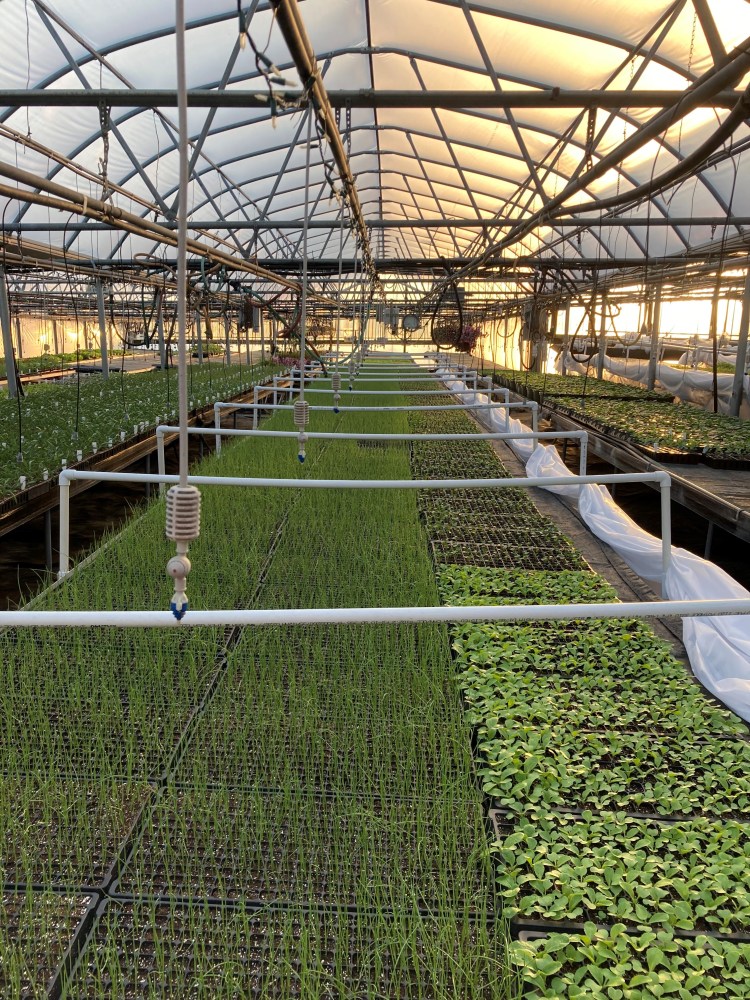
Happy February!
Hope this blog finds you staying warm and looking forward to the snow melting. We have had significant snowfall here in the Philadelphia area, which combined with prolonged cold temperatures has resulted in a month of snow covered ground.
Not ideal conditions for gardening, but ideal conditions for garden planning!
In horticulture therapy, this is where we move from the physical body to the executive functions of the brain: planning, patience, and the “reward circuitry.”
The Psychology of “Delayed Gratification”
In a world of instant digital rewards (likes, scrolls, and overnight shipping), the human brain’s dopamine system can become overstimulated and fragile. Gardening is the ultimate “slow medicine” (1).
Planning a garden requires prospective memory (remembering to perform a planned action in the future). When a patient or garden hobbyist looks at a seed packet in February, they aren’t just looking at a dried speck; they are mentally simulating a future reality. This builds “cognitive flexibility.” You are planning for a version of yourself that exists three months from now (2).
In addition, for those healing from trauma, the future can often feel threatening. Seeds represent a safe future. Seed sowing is the “Marshmallow Test” of the gardening world. By investing effort now (soil prep, seed starting) for a reward later, we strengthen the neural pathways associated with patience and impulse control. Unlike the spike-and-crash of digital dopamine, gardening provides a “low and slow” release. The moment that first sprout breaks the soil, the brain receives a reward signal. Because it took 7–14 days to arrive, the satisfaction is deeper and more “earned” than an instant reward. It is also slower and safer, making it more easily absorbed by trauma victims’ brains and nervous system response. We see evidence of this in the “Hope Circuit”—a psychological concept where the act of planning for a positive outcome can actually mitigate symptoms of depression (3).
Instant rewards give us dopamine spikes (pleasure/addiction), but the long-term planning of a garden fosters serotonin (contentment/stability). Gardening and garden planning help our brains in many ways!
The Anatomy of a Seed: Potential Energy
The anatomy of a seed is a masterpiece of compact efficiency, consisting of three primary parts: the embryo, the endosperm, and the seed coat (testa). The embryo is the “pre-formed” plant, containing the radicle (the future root) and the plumule (the future shoot). Surrounding this is the endosperm, which acts as a starch-rich “packed lunch” to fuel the plant until it can photosynthesize. Protecting these delicate internal structures is the tough, outer seed coat, which often requires specific environmental cues—like abrasion or cold—to break its seal.
A seed contains everything it needs to begin (energy + DNA). In HT, we often tell participants that even in “dormant” seasons of life, you carry the blueprint for your own growth.
Seed physiology is the “spark of germination”. Seed physiology itself centers on imbibition, the physical process where a dry seed rapidly absorbs water, causing the internal cells to swell and the seed coat to rupture. This hydration triggers a metabolic “reawakening.” Internally, the hormone gibberellic acid (GA) is released, signaling the production of enzymes like alpha-amylase. These enzymes break down the stored starches in the endosperm into simple sugars (glucose), providing the chemical energy (ATP) necessary for the embryo to expand and push the radicle into the soil.
In HT sessions, we say that the transition from starch to sugar is a perfect metaphor for turning our “dormant ideas” into “active energy.” And outcomes!
Horticulture Therapy Activities
In professional horticulture applications, the “seed phase” of a project (the planning and logistics) is just as vital as the “harvest phase” (the result).
But…You don’t need a greenhouse to practice the benefits of delayed gratification and enjoy seed sowing!
You can start seeds that require a long lead time (like peppers or certain perennials) inside on a window “plant nursery”. Before seeding them, write the “Expected Harvest Date” on a calendar. This simple act creates a mental “anchor” in the future, giving you something to look forward to during the blah days of late winter. This ties into the arousal-reward connection be alluded to earlier. Research in journals like Nature Communications and Physiology & Behavior (e.g., studies on the Ventral Tegmental Area or VTA) shows that dopamine isn’t just released when we get a reward—it actually ramps up steadily during the waiting period (4).
Another fun activity is hosting or starting a “seed swap”. Seed swaps create a sense of community, almost like cross-pollination for gardeners. A pilot project by the Gaia Foundation’s Seed Sovereignty Programme (2024–2025) looked at the impact of seed saving and sharing on individuals with mental health challenges. Participants reported a 6% average increase in mental well-being scores, with the most significant improvements seen in those who started with the lowest scores. when asked if the benefit came from being outdoors or being in a group, participants specifically pointed to the seeds themselves. They described a feeling of “creating abundance” (5).
Beyond individual health, seed swaps build “social-ecological resilience.” A study from the University of Montana found that informal seed networks strengthen community bonds by creating “knowledge exchanges.” When you swap a seed, you are also swapping a story, a heritage, and a commitment to help each other succeed in the coming season (5).
Do you engage in any of these HT activities already? If so, how do they make you feel? Did you think they were therapeutic or did you do them for other reasons?
While we wait for the snow to melt, keep planning your garden!
References:
- https://med.stanford.edu/news/insights/2021/10/addictive-potential-of-social-media-explained.html
- https://pmc.ncbi.nlm.nih.gov/articles/PMC4314352/
- https://ppc.sas.upenn.edu/content/hope-circuit-psychologists-journey-helplessness-optimism#:~:text=New%20Book%20by%20Dr.,Martin%20Seligman
- https://pmc.ncbi.nlm.nih.gov/articles/PMC8635439/#:~:text=Recording%20and%20manipulation%20of%20neuronal,waiting%20in%20place%20for%20rewards.
- https://www.positive.news/society/growing-and-sharing-seeds-can-boost-mental-health/#:~:text=She%20asked%20participants%20how%20much,an%20abundance%2C%E2%80%9D%20said%20Howell.
 Seeds 2 Plugs