The Science of the Soil… What is Horticulture Therapy?
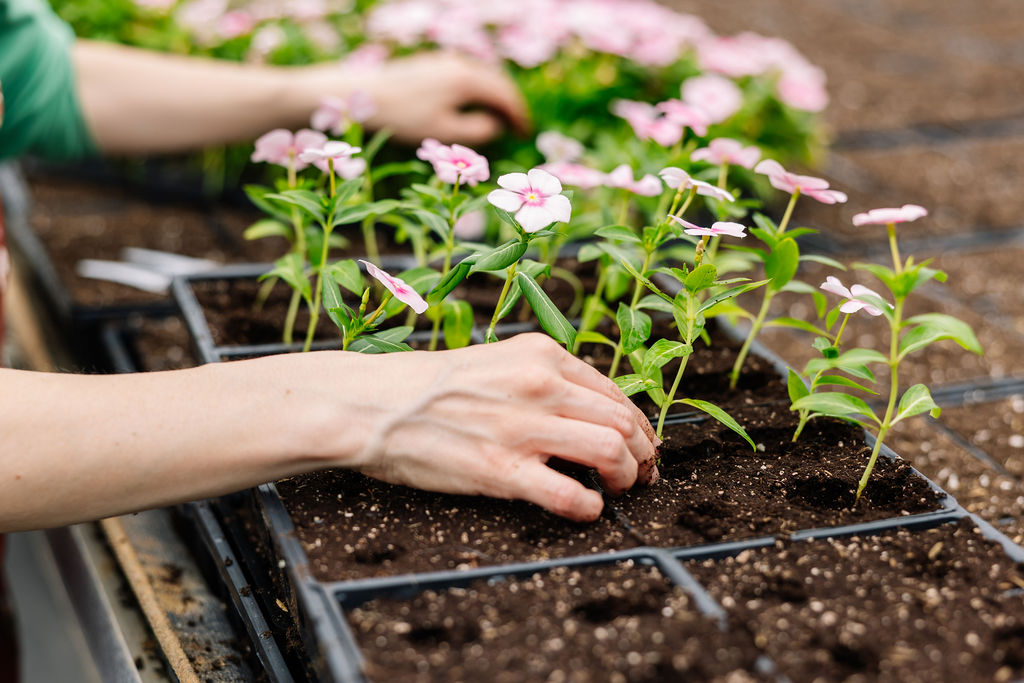
There are many horticulture buzz words and many different ways to describe the health (both physical and mental) benefits associated with gardening and spending time in nature.
One professional area of study and implementation of this practice is horticulture therapy. This is a formal practice that uses plant-based activities (such as planting, garden design, botanical, identification, or sketching in nature) to achieve specific therapeutic goals. It is the intersection of horticulture, psychology, and physiology. (1)
Specifically, when gardeners interact with the soil, there are many things happening at that level that benefit both plants and people. Mycobacterium vaccae, a healthy bacteria found in soil has been documented to be an antidepressant. Research shows that inhaling or handling soil containing this bacterium stimulates serotonin production in the brain. It’s a literal chemical reaction between the earth and your nervous system. (2)
Additionally, when observing plants for identification or drawing, the visual “fractals” in plant life (repeating geometric patterns) trigger the parasympathetic nervous system to lower cortisol levels. (1)
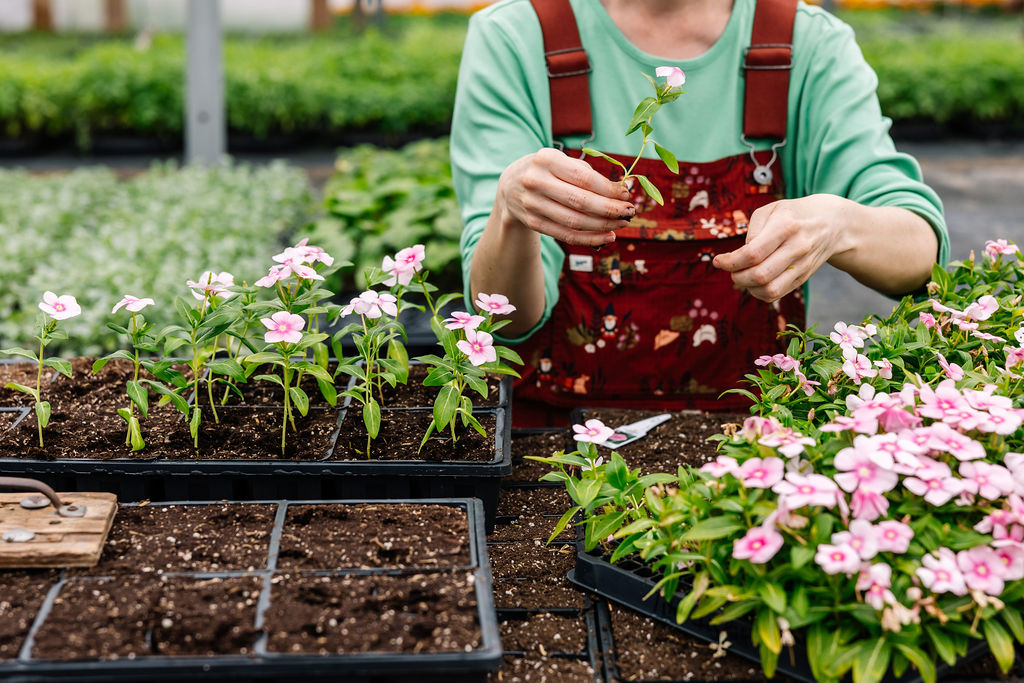
From a psychology perspective, horticulture therapy has literally grown in practice due to its numerous mental benefits, especially for those diagnosed with PTSD, C-PTSD, or have experienced traumatic events. In trauma, control is taken away. In the garden, you regain agency—you choose where the seed goes, how much water it gets, and how it is protected. Unlike traditional “talk therapy” (which can sometimes feel like the “drama” or “spin” a patient has learned to avoid), a plant doesn’t demand an explanation. It just responds to care. Horticulture therapy also integrates mindfulness and a focus on the present which helps patients to better align themselves in the world around them. (3)
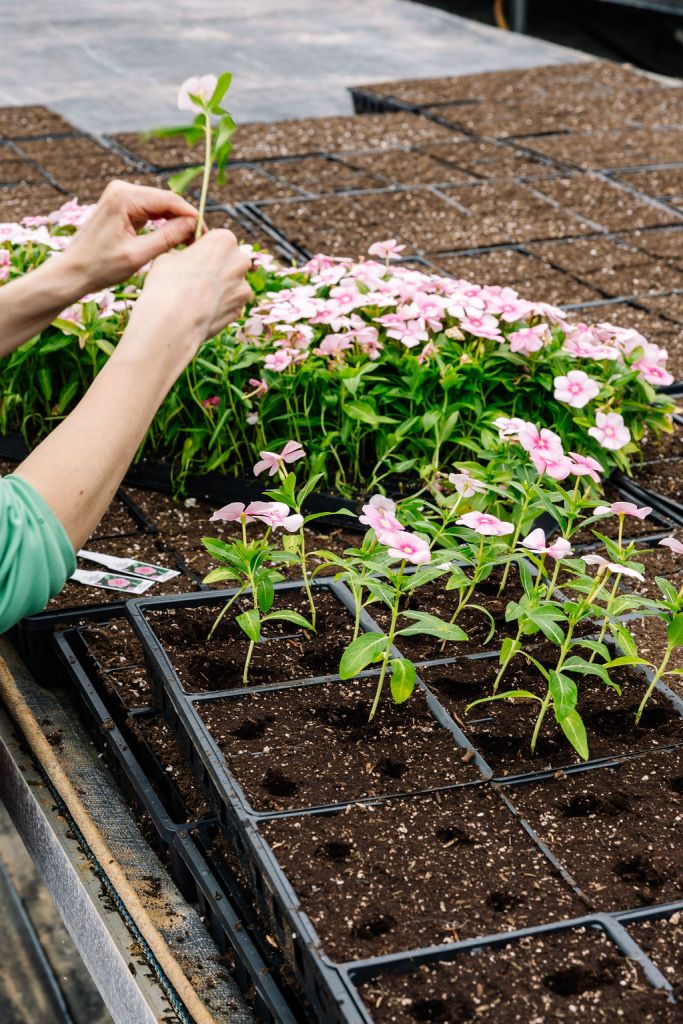
Gardening and engaging with nature are more than fun activities where you grow and harvest plants. Horticulture can be a laboratory for personal growth and restoration also.
References:
- https://plantbiology.rutgers.edu/undergraduate/horticultural-therapy/what-is
- https://www.colorado.edu/today/2017/01/05/study-linking-beneficial-bacteria-mental-health-makes-top-10-list-brain-research
- https://missionconnectionhealthcare.com/mental-health/horticultural-therapy/trauma-recovery/
Photos by Becca Mathias
 Seeds 2 Plugs